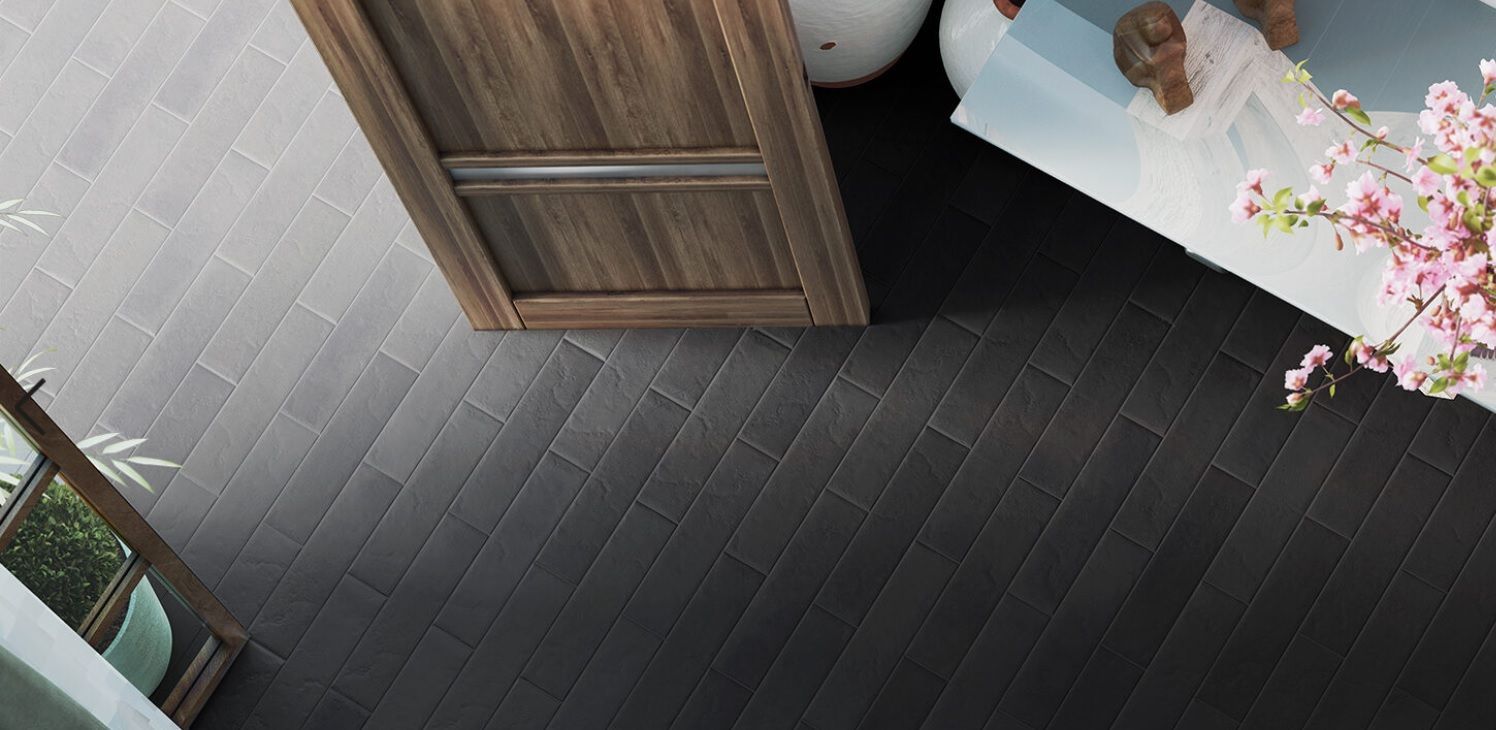
PEI, the Porcelain Enamel Institute rating, measures abrasion resistance and helps determine the durability and wear resistance of ceramic tiles.
The higher the PEI rating, the more resistant the tile. Here are the different PEI classifications:
PEI 1: For wall use only. Tiles in this class are not suitable for floors.
PEI 2: For floors with light foot traffic, such as bathrooms or bedrooms without direct access to the outdoors.
PEI 3: For floors with moderate foot traffic, such as kitchens, living rooms or entrances without direct access to the outdoors.
PEI 4: For floors with heavy foot traffic, such as entrances, hallways, covered patios or light commercial spaces.
PEI 5: For floors with very heavy foot traffic, such as commercial spaces, airports or shopping malls.
-------------------------------------------------------------
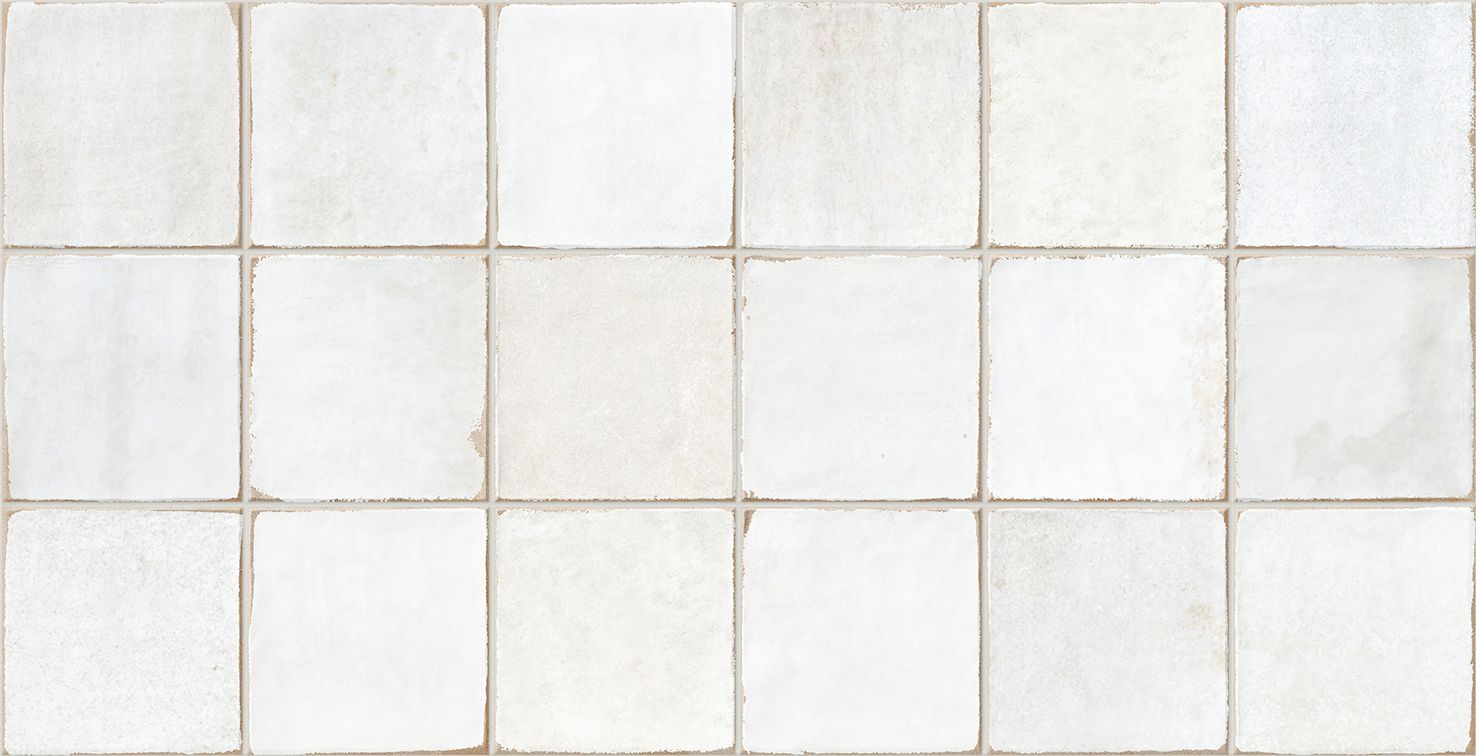
Shade variation, also known as V value, indicates the degree of variation in color and pattern you can expect within a lot of tiles.
Here are the different V value classifications:
V1 (Very low variation): Minimal differences. Tiles are nearly uniform, with very little variation.
V2 (Low variation): Slight variations in color and pattern. Differences are noticeable but remain consistent.
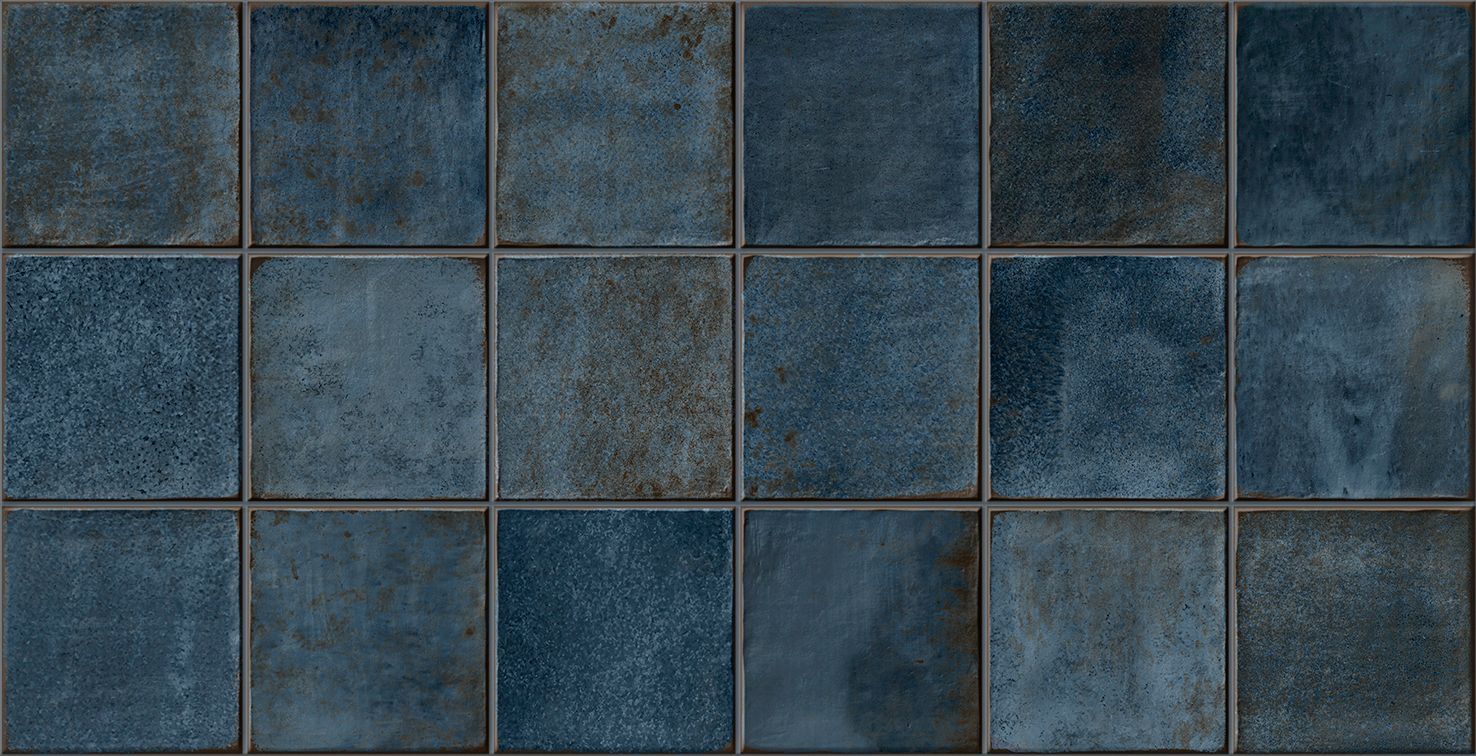
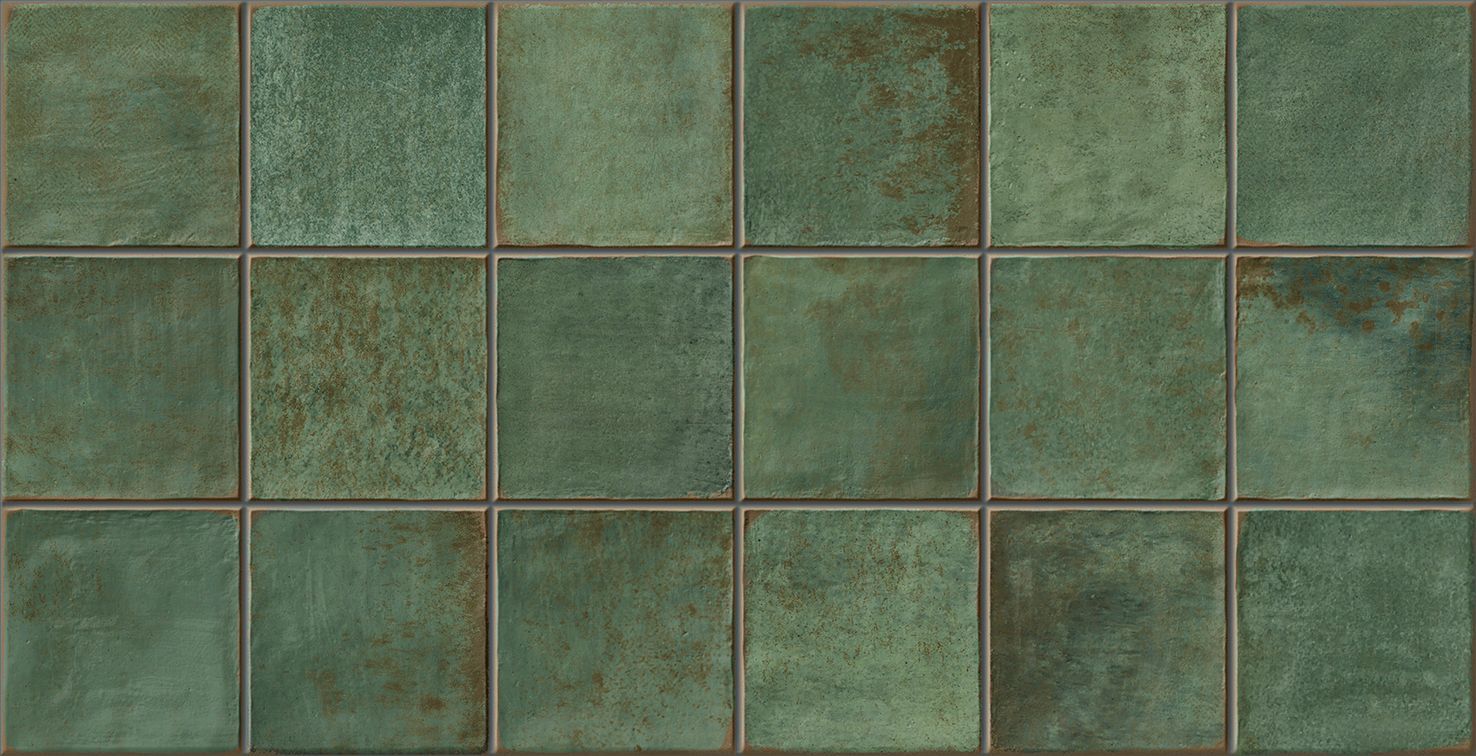
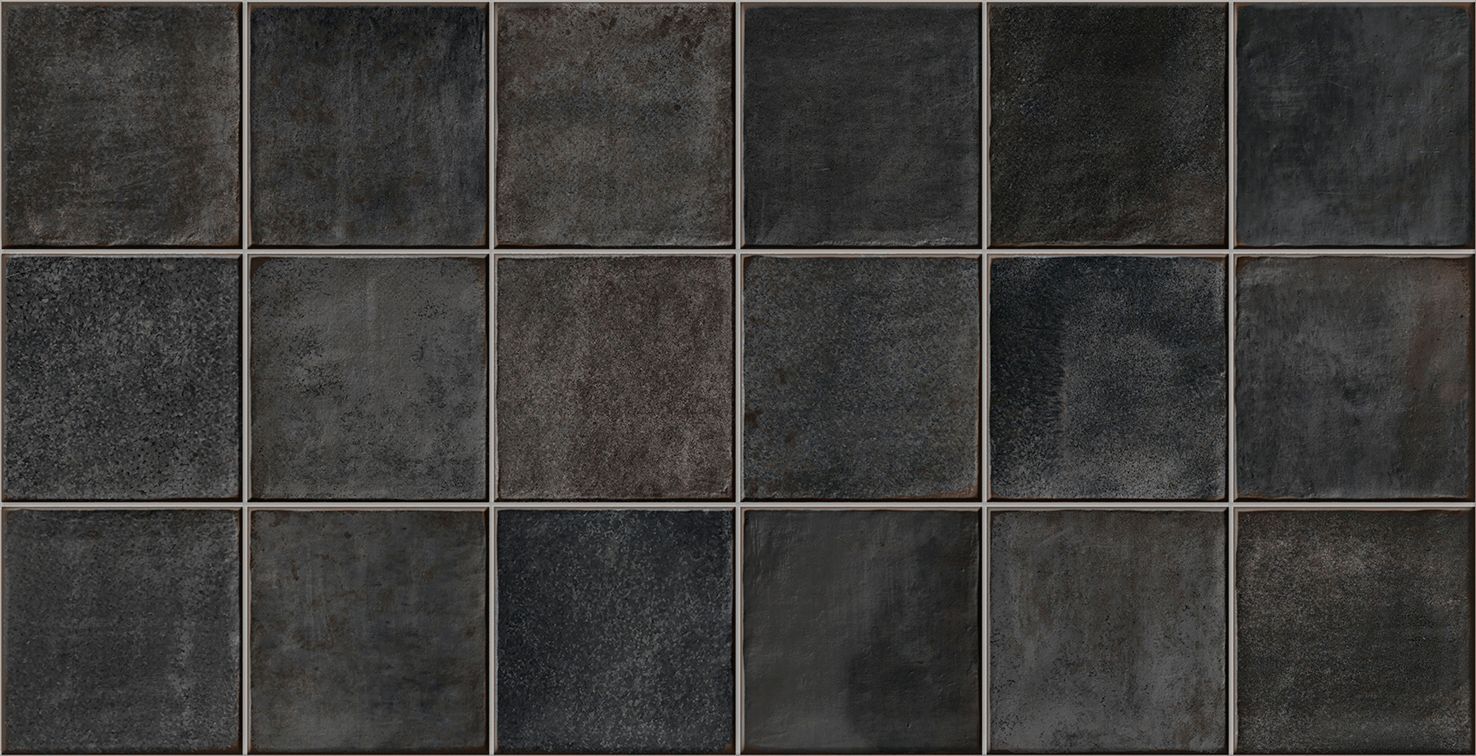
V3 (Moderate variation): Significant variations. Differences in color and pattern are more pronounced, but each tile is harmonious with the others.
V4 (High variation): Strong variations in color and pattern. Each tile may look very different from the others, creating a unique and dynamic appearance.